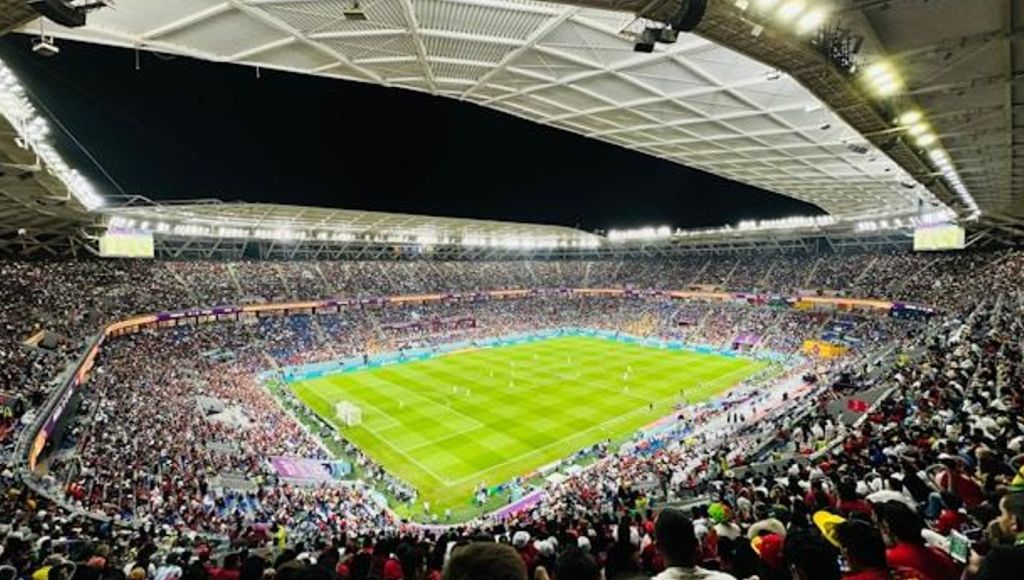
 The 2026 FIFA World Cup is expected to deliver unforgettable matches, dramatic upsets, and new contenders capable of challenging football’s established powers.
While traditional favorites will dominate headlines before the tournament begins, several underrated nations have the tactical identity, player quality, and tournament experience needed to surprise global audiences.
From disciplined defending to explosive attacking transitions, these teams possess the ingredients required to disrupt expectations on football’s biggest stage.
1. Norway: A Disciplined Team With a Potent Attack
Norway enters the tournament with one of the most dangerous attacking combinations in international football. The presence of Erling Haaland gives the side a direct goal-scoring threat that few defenses can comfortably contain. Alongside him, creative midfielders and energetic wide players provide speed and movement that stretch opponents in transition.[1]
The team’s imposing physical presence remains another major advantage during tournament football. Norway can dominate aerial situations, win second balls consistently, and force defensive mistakes through aggressive pressing. Even against technically gifted opponents, that intensity often disrupts rhythm and limits comfortable possession in midfield.
Defensively, Norway has demonstrated improved organization during recent international competitions. The side maintains compact spacing between midfield and defense while still committing numbers forward when attacking opportunities appear. This balance gives the team flexibility against stronger opponents expected to control possession for long periods.
For fans analyzing the latest betting odds for the World Cup, Norway represents a nation capable of shifting momentum quickly during the group stage. Their combination of physicality, pace, and finishing quality makes them difficult to predict across tournament football, especially in knockout matches where a single moment can change everything.
2. Morocco: The Atlas Lions Ready to Roar
Morocco proved during recent international tournaments that tactical discipline and focused collective effort can frustrate even the world’s strongest sides. Their defensive organization remains one of the most reliable in international football, with players consistently maintaining shape and limiting dangerous spaces in central attacking areas.[2]
The squad also features technically gifted players capable of controlling possession under pressure. Morocco transitions efficiently from 6defense into attack, often using quick passing combinations to move through midfield. That ability to remain composed under aggressive pressing gives the team greater confidence in high-pressure tournament situations.
Another important strength comes from the balance between experienced players and emerging young talent. Veterans competing in Europe’s top leagues provide leadership and structure, while younger attackers add unpredictability in one-on-one situations. This combination creates a squad capable of adjusting its tactics based on the opponent.
Morocco’s recent performances against elite international competition have strengthened confidence surrounding the side entering 2026. They no longer approach major tournaments as outsiders, hoping for isolated victories. Instead, Morocco now carries the profile of a disciplined and technically balanced team capable of competing deep into the knockout stages.
3. Czechia: a Team to Be Ignored at Your Peril
Czechia continues to rely on disciplined midfield structure and defensive organization as the foundation of its international approach. The team works hard to stay compact behind the ball while moving possession with enough control to stay competitive in difficult matches.
Physicality also remains a defining feature of Czechia’s style. The side competes aggressively in aerial battles, challenges consistently across midfield, and forces opponents into uncomfortable physical contests. Tournament football often rewards teams capable of maintaining intensity over ninety minutes, especially during tightly contested knockout fixtures.[3]
Soccer narratives point out that another advantage lies in Czechia’s ability to adjust its approach to different opponents. The team can stay compact with a deeper defensive line against stronger sides and become more assertive when opportunities to push higher present themselves. This adaptability makes the side unpredictable, particularly against teams expecting straightforward tactical approaches during the group stage.
Several experienced players competing across Europe’s major leagues bring valuable composure to the squad. Their understanding of structured football allows Czechia to remain organized during emotionally intense moments. While they may not have attracted global attention before the tournament, their consistency and tactical discipline could create difficult matches for more high-profile teams.
4. Senegal: An African Giant Looking to Make an Impression
Senegal remains one of Africa’s most respected international sides because of its blend of athleticism, experience, and defensive structure. The team consistently competes with intensity across every area of the pitch, creating a physically demanding challenge for opponents during tournament football.[4]
Leadership also strengthens Senegal’s chances against elite competition. Experienced players competing in top European leagues bring composure and tactical understanding into high-pressure matches. Their ability to stay organized during emotionally charged moments often helps the side remain competitive against technically superior opponents.
In attacking situations, Senegal transitions rapidly through midfield and wide spaces. Quick runners stretch defensive lines effectively, while powerful forwards create dangerous scoring opportunities inside the penalty area. This direct attacking style allows the team to generate momentum quickly, especially after regaining possession in central areas.
Senegal’s tournament experience shouldn’t be underestimated entering the 2026 World Cup. The squad has repeatedly demonstrated resilience against strong opposition while maintaining confidence during difficult stretches of play. That mentality, combined with athletic depth and defensive discipline, could make Senegal one of the tournament’s most dangerous underdogs.
5. Scotland: Plucky and Dangerous
Scotland enters the tournament with growing confidence after several competitive international campaigns against strong European opponents. The team has developed a disciplined tactical identity built around defensive organization, structured midfield play, and intelligent movement without possession.
Defensive flexibility provides Scotland with valuable tactical options throughout tournament football. The side can adjust formations depending on the opponent, shifting between defensive structures without losing overall balance. This unpredictability often disrupts stronger nations expecting straightforward tactical approaches during major competitions.
The squad also benefits from players competing regularly in demanding European leagues. Their experience against elite-level opposition contributes to composure during high-pressure moments, especially when protecting narrow leads or navigating difficult stretches without possession. That maturity becomes increasingly important during knockout football.
Scotland may not enter the World Cup under the global spotlight, but their tactical discipline and collective chemistry make them difficult opponents. Teams capable of remaining organized while adapting strategically often outperform expectations during international tournaments, and Scotland possesses many qualities associated with dangerous underdog sides.[5]
Why These Nations Could Reshape the Tournament
The 2026 FIFA World Cup will carry enormous expectations for football's traditional powers, but tournaments rarely unfold the way anyone predicts. Nations capable of maintaining tactical discipline, emotional composure, and defensive organization often emerge as the biggest surprises once pressure intensifies.
For sports fans following every stage of the tournament, these underdog nations could provide some of the most compelling stories shaping the World Cup’s unpredictable, unforgettable atmosphere.
1. https://www.fifa.com/en/tournaments/mens/worldcup/canadamexicousa2026/articles/norway-squad-announcement-stale-solbakken
2. https://bettheworldcup.com/news/morocco-world-cup-2026-preview-squad-tactics-insights/
3. https://www.si.com/soccer/czechia-2026-world-cup-preview
4. https://esosoccer.com/2026-world-cup/senegal-2026-world-cup-team-analysis-roster-projection-preview/
5. https://totalfootballanalysis.com/match-analysis/scotland-denmark-2026-fifa-world-cup-qualifiers-tactical-analysis-tactics












.jpg?v=1.014689161)



.png?v=1.014689161)